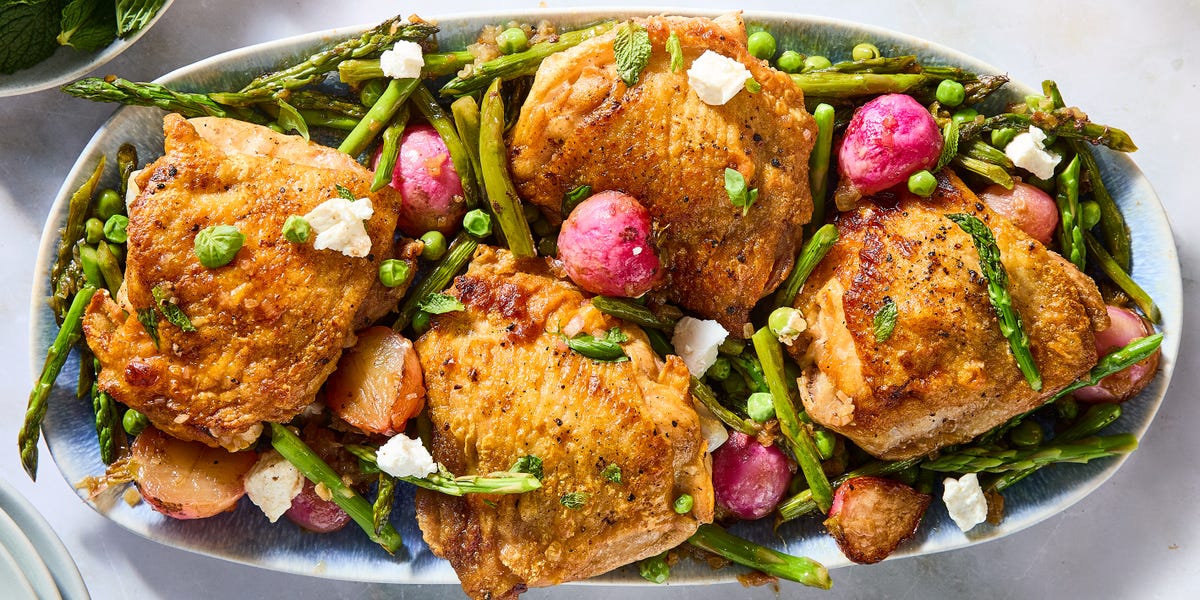
As the days lengthen and the world awakens with vibrant hues, our palates often crave meals that mirror this freshness and light. Gone are the heavy stews of winter, replaced by a desire for bright, seasonal flavors. This is where the magic of roasted chicken primavera truly shines, offering a delightful blend of crispy, succulent chicken and tender, garden-fresh vegetables. It’s a dish that looks and tastes like a labor of love, yet its simplicity makes it a perfect candidate for both elegant dinner parties and bustling weeknight meals.
The very word "Primavera" itself means "spring" in Italian, evoking images of new beginnings and an abundance of fresh produce. While its traditional origins might be rooted in pasta dishes brimming with seasonal veggies, our focus today elevates this concept by featuring beautifully cooked chicken as the star. Get ready to transform your kitchen into a haven of springtime aromas and discover the secrets to achieving a truly irresistible Crispy Chicken Primavera.
Unlocking the Secret to Perfectly Crispy Roasted Chicken Primavera
The cornerstone of an outstanding Crispy Chicken Primavera lies, unsurprisingly, in the chicken itself. While many recipes opt for a straightforward roasting approach, achieving that coveted golden, crackling skin requires a little extra finesse. After experimenting with various methods, we’ve found that the secret to truly spectacular results is a quick sear before roasting.
The Art of the Sear: Your Best Bet for Crispy Skin
To ensure your chicken thighs achieve that deep, satisfying crispness, we highly recommend browning them first in a hot skillet on the stovetop. This vital step kickstarts the Maillard reaction, developing incredible flavor and rendering out excess fat, leading to that irresistible crunch. Here's how to master it:
- Choose Wisely: Opt for skin-on, bone-in chicken thighs. The skin is essential for crispiness, and the bone adds depth of flavor and helps keep the meat moist.
- Heat is Key: Preheat a large, oven-safe pan – such as a Dutch oven, cast iron skillet, or a roasting pan designed for stovetop use – over medium-high heat. A little oil (like olive or avocado) helps prevent sticking.
- Skin-Side Down: Once hot, place the chicken thighs skin-side down in the pan. Don't overcrowd the pan; work in batches if necessary to ensure proper searing rather than steaming.
- Patience Pays Off: Allow the chicken to sear undisturbed for 5-7 minutes, or until the skin is deeply golden brown and crispy. Flip them to briefly sear the other side, then remove from the pan.
If you don't have an oven-safe skillet or prefer a lighter touch, you can certainly skip the pre-browning and simply place the chicken skin-side down in your roasting pan from the start. However, be aware that the skin will be a lighter golden hue and less crisp. For maximum textural delight, the sear-first method is truly unbeatable.
Season your chicken generously with salt, freshly ground black pepper, and a fragrant blend like herbs d’ Provence. This classic French mixture, featuring ingredients such as savory, marjoram, rosemary, thyme, and oregano, perfectly complements the chicken and sets a beautiful aromatic foundation for the entire dish. It's a pairing that consistently earns rave reviews!
The Heart of Spring: Mastering Your Primavera Vegetable Medley
The "Primavera" in our dish is a celebration of spring's bounty, transforming simple vegetables into a vibrant, flavorful medley. The key to success here lies in understanding that not all vegetables cook at the same rate. Strategic timing ensures every component reaches its peak tenderness without becoming overcooked or mushy.
Timing is Everything: Building Layers of Flavor and Texture
After your chicken has been seared (or placed directly into the roasting pan), you’ll begin to build the vegetable base. Onions, for example, benefit from roasting alongside the chicken from the start, softening and sweetening as they absorb the savory pan juices.
Once the chicken is about halfway through its cooking time (typically after 20-25 minutes), it’s time to introduce the next wave of vegetables. This is when ingredients like chopped zucchini and sliced mushrooms are scattered around the chicken in the baking dish. These vegetables require a moderate cooking time, allowing them to become tender and absorb the wonderful flavors of the chicken and herbs.
The final touch, and arguably the most iconic spring vegetable for this dish, is fresh asparagus. To ensure those spears are perfectly crisp-tender and retain their vibrant green color, they are added even later, typically during the last 10-15 minutes of roasting. Lined around the edges of the pan, they cook quickly and brightly. A squeeze of fresh lemon juice over the entire dish right at the end of baking enhances all these flavors, adding a necessary zing that truly brightens the whole composition.
Beyond the Basics: Expanding Your Spring Palette
While asparagus, zucchini, mushrooms, and onions form a fantastic foundation, the beauty of roasted chicken primavera is its versatility. Feel free to incorporate other seasonal favorites:
- Bell Peppers: Sliced and added with the zucchini and mushrooms for color and a sweet crunch.
- Cherry Tomatoes: Halved and tossed in during the last 10 minutes for burst of juicy sweetness.
- Broccoli or Cauliflower Florets: Add with the initial batch of vegetables for a heartier touch.
- Snap Peas or Green Beans: Similar to asparagus, these benefit from a shorter cooking time, added towards the end.
This flexibility makes Easy One-Pan Roasted Chicken Primavera: Your Spring Weeknight Meal incredibly adaptable to whatever fresh produce you find at your local market, ensuring a unique and delicious experience every time.
Beyond the Basics: Enhancing Your Roasted Chicken Primavera
While the chicken and vegetables are the stars, a few simple additions can elevate your primavera to gourmet status. Don't hesitate to experiment and make this recipe truly your own:
- Garlic: Minced garlic, added with the onions at the beginning, provides an aromatic depth that complements the herbs d’ Provence beautifully.
- Fresh Herbs: A sprinkle of fresh parsley, basil, or dill just before serving adds a burst of freshness and color.
- Cheese: A grating of Parmesan or Pecorino Romano cheese over the finished dish adds a salty, umami kick that many find irresistible.
- Pesto: For a different flavor profile, a dollop of fresh basil pesto can be stirred in at the very end, especially if you plan to serve it with pasta or rice.
This dish is remarkably versatile in how it can be served. While it's a complete, protein- and veggie-packed meal on its own, it also pairs wonderfully with various accompaniments. Consider serving your roasted chicken primavera over a bed of fluffy rice, creamy mashed potatoes, or even delicate spaetzle. For those who love the traditional pasta primavera concept, short, sturdy pasta shapes like cavatappi, penne, or rotini can be cooked separately and then tossed with the roasted chicken and vegetables for a heartier meal. And, of course, a crusty piece of garlic bread is always a welcome addition, perfect for soaking up all those delicious pan juices.
Understanding the full spectrum of this dish, including Beyond Pasta: Versatile Chicken Primavera & Its Italian-American Roots, opens up a world of culinary possibilities, allowing you to tailor it to any craving or occasion.
Tips for a Seamless One-Pan Experience
One of the most appealing aspects of roasted chicken primavera is its one-pan nature. However, a few tips can ensure your cooking process is as smooth and successful as possible:
- Pan Size Matters: Use a roasting pan or Dutch oven large enough to accommodate all ingredients in a single layer without overcrowding. Too small a pan will steam the vegetables instead of roasting them, preventing proper caramelization.
- Prep Ahead: Chop all your vegetables before you start cooking the chicken. This ensures a smooth flow, allowing you to add ingredients precisely when needed without rushing.
- Even Cuts: Try to chop your vegetables into roughly similar-sized pieces to promote even cooking.
- Doneness Check: Always use an instant-read meat thermometer to ensure the chicken is cooked to a safe internal temperature of 165°F (74°C). Insert the thermometer into the thickest part of the thigh, avoiding the bone.
- Rest the Chicken: Once cooked, allow the chicken to rest for 5-10 minutes before serving. This allows the juices to redistribute, resulting in more tender and flavorful meat.
Achieving Crispy Chicken Primavera is more than just a recipe; it's an experience that brings the freshness and vibrancy of spring directly to your plate. With its perfectly seared, juicy chicken and a colorful medley of crisp-tender vegetables, brightened by lemon and fragrant herbs d’ Provence, this dish is a testament to simple ingredients coming together in spectacular fashion. Whether you’re hosting friends or enjoying a quiet family dinner, this easy-to-make, company-worthy meal is sure to become a beloved staple in your culinary repertoire. Embrace the season, experiment with your favorite spring produce, and savor every delicious bite.
